WOJU DESIGN × BALASSA WOOD · PROJECT 01

Furniture as
an object of meaning.

A collaboration between marquetry and solid wood furniture making, built around one simple idea: a table can have more than one face.
The project

Different disciplines.
One shared object.

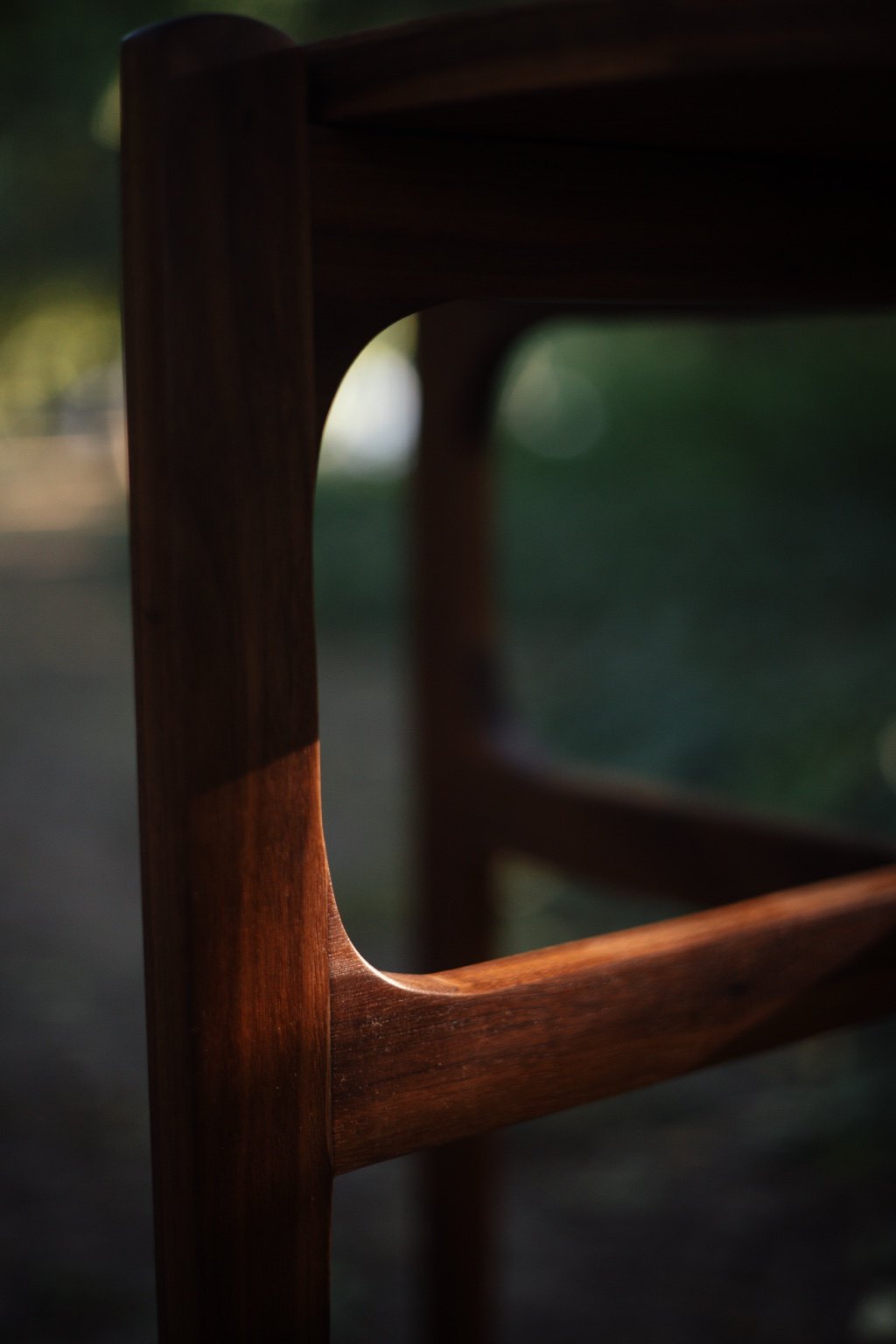
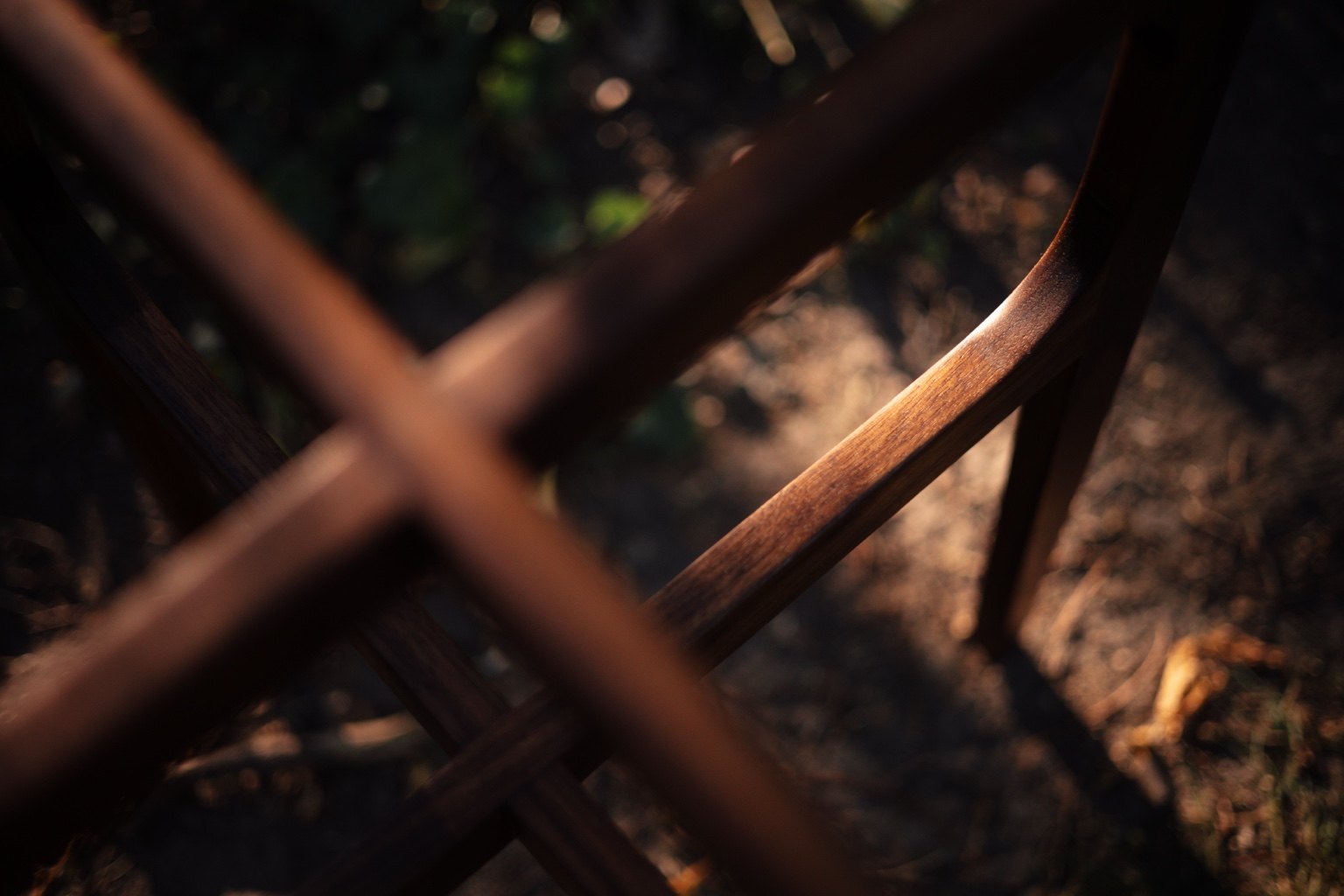
In spring 2026, WOJU DESIGN and BALASSA WOOD began developing a small table with a reversible top. The structure was conceived in solid wood and traditional joinery; the second face of the tabletop became a canvas for hand-cut marquetry. What began as a single sketch soon developed into two pieces with entirely different moods, materials and narratives.
The concept

Two sides,
one table.

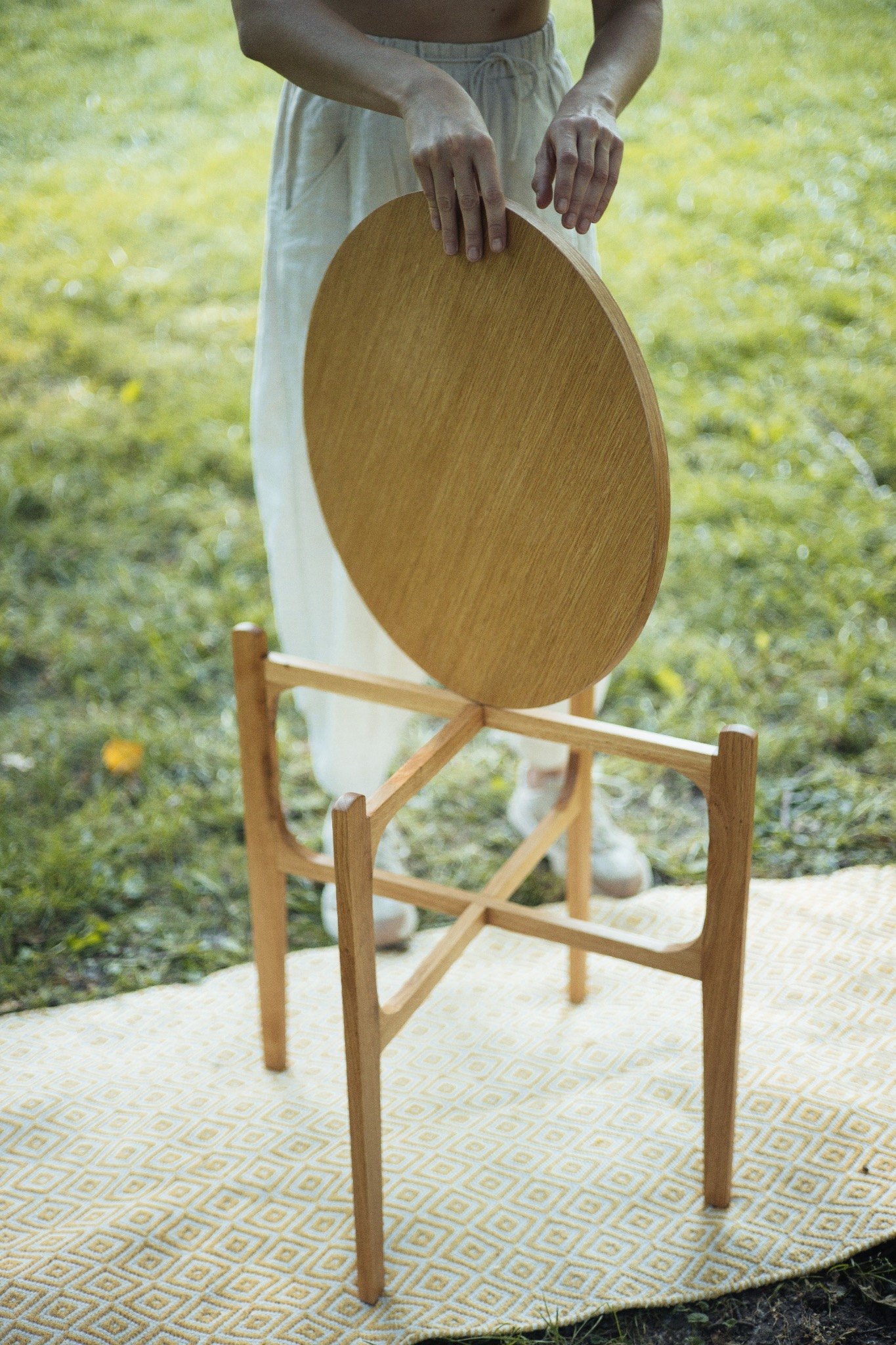
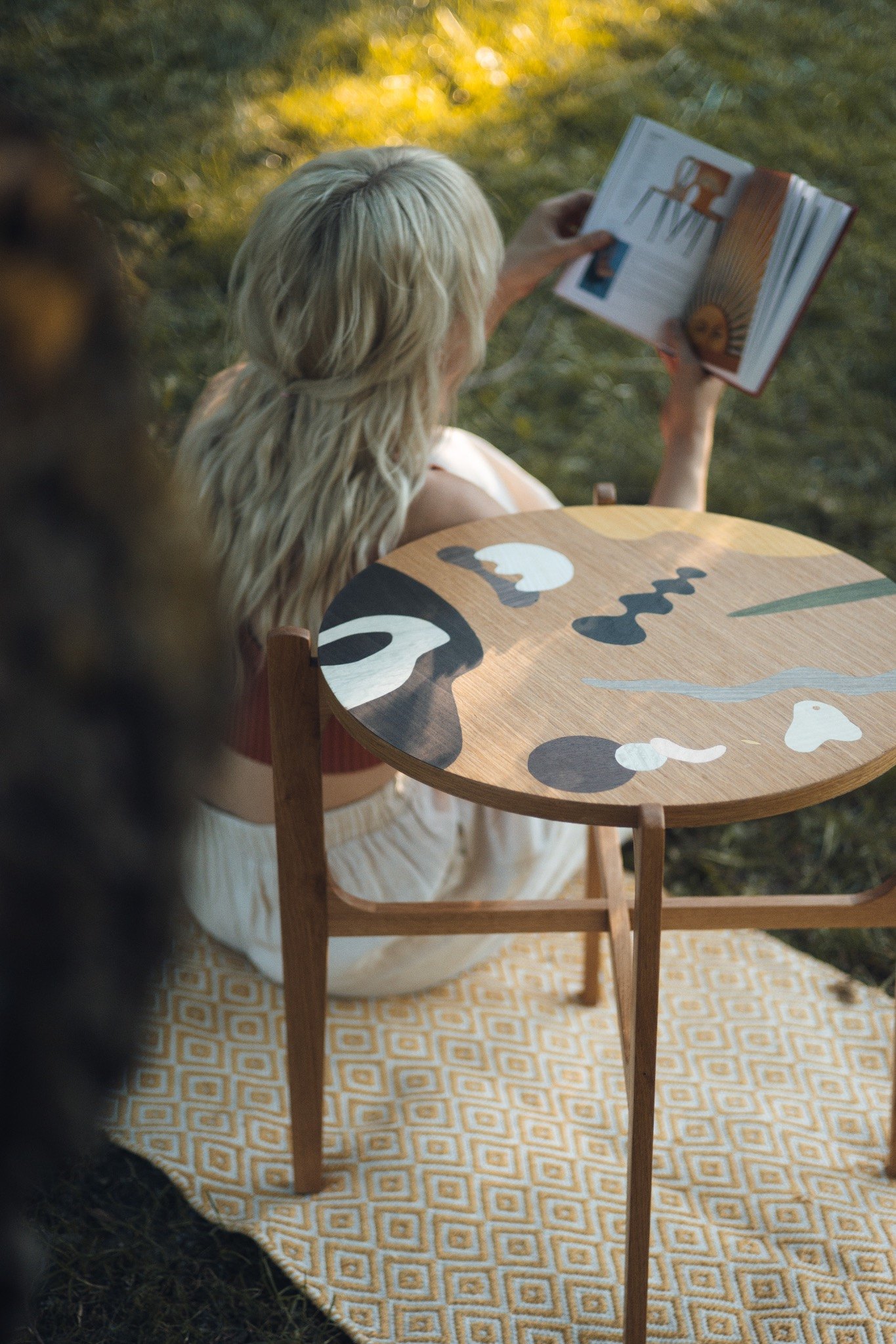
The round tabletop can be lifted out and turned over. One side reveals the uninterrupted grain of solid wood; the other carries an individually designed marquetry composition. The transformation is deliberately simple — allowing the same object to shift between a restrained piece of furniture and a more expressive, image-bearing object.

The first pieces

One idea, two expressions.

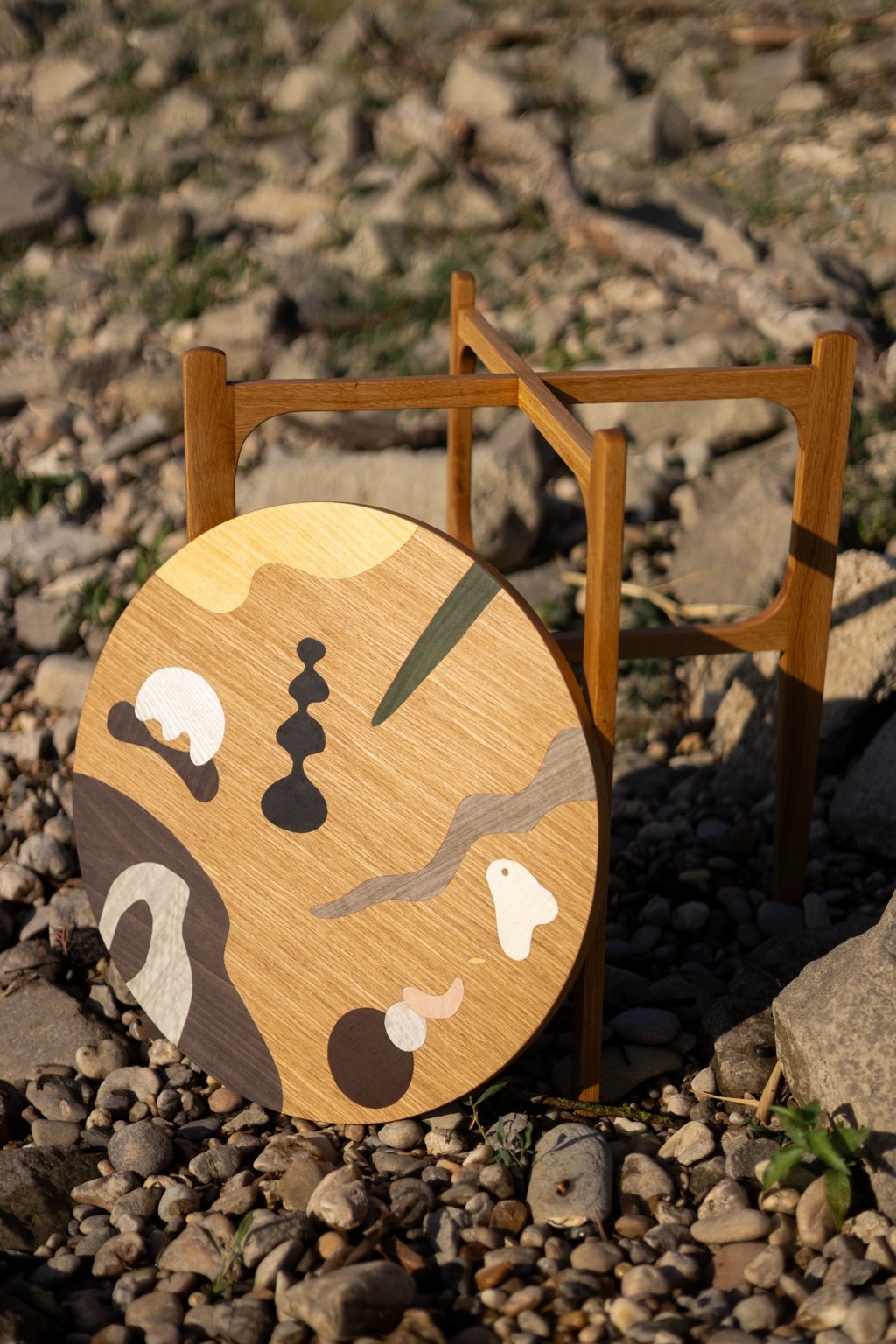
#1 · A Walk in the Woods

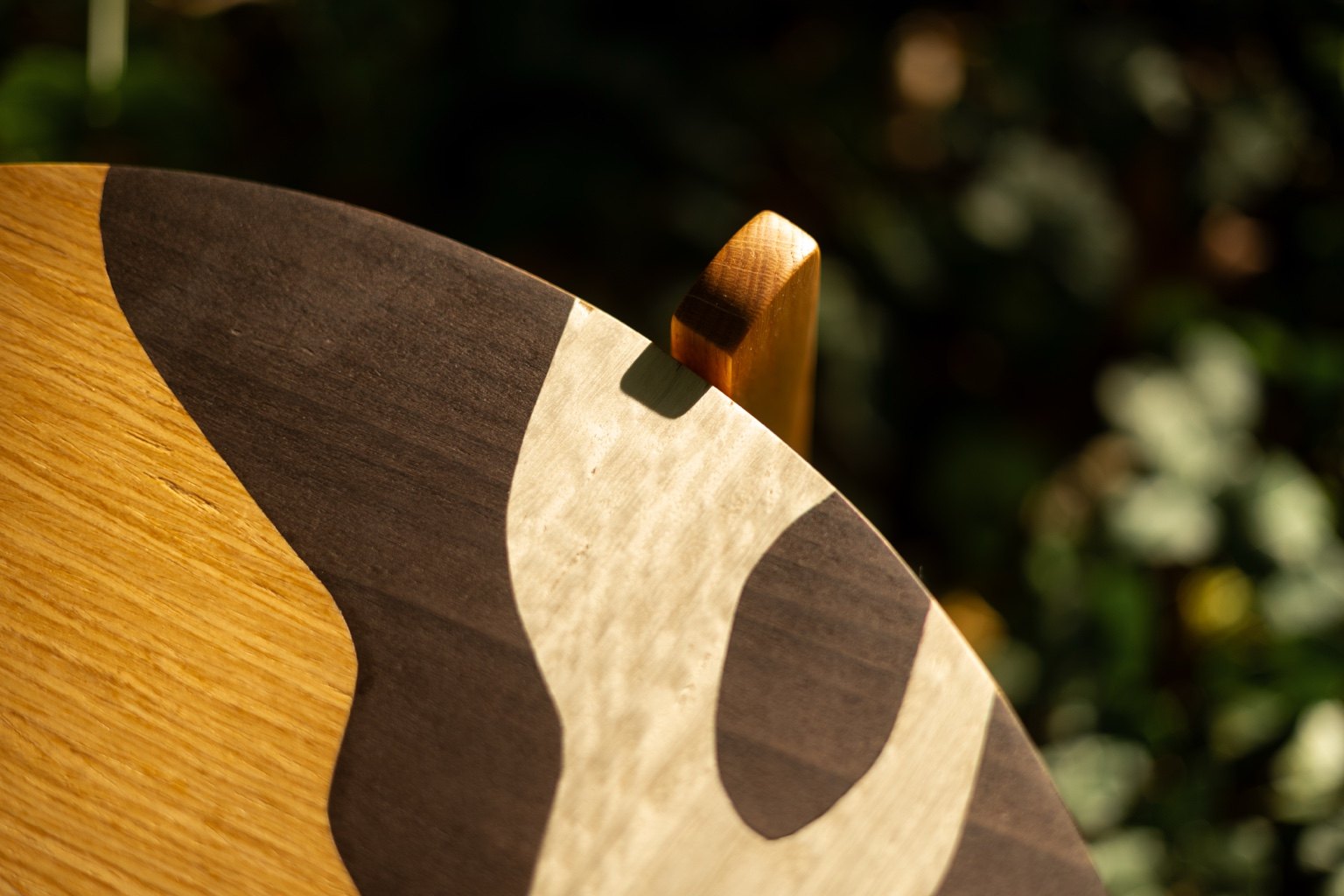
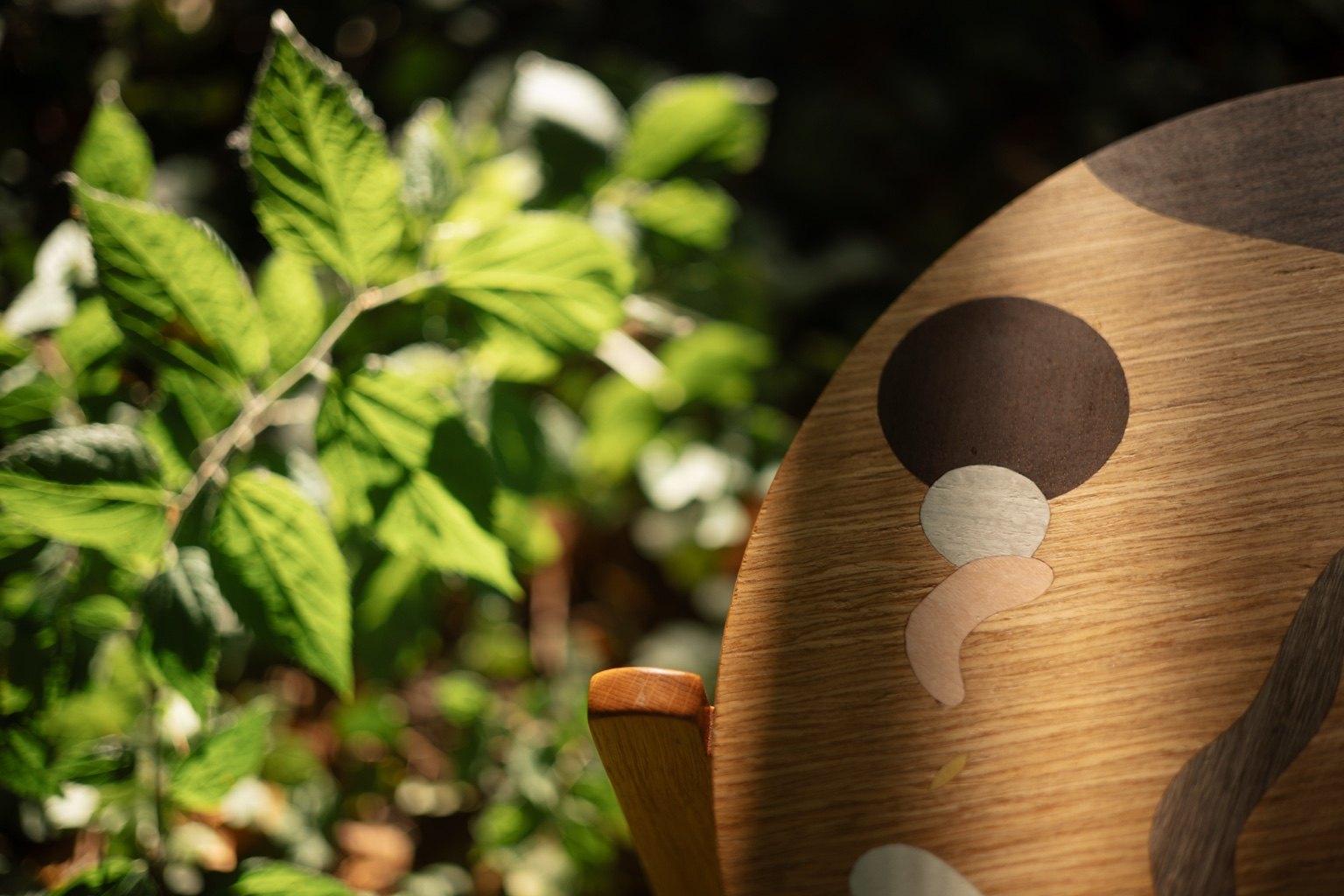
An abstract composition inspired by the quiet observations of a walk through the forest: leaves, stones, mushrooms, shadows and the irregular rhythm of nature. Built in solid oak, the piece is lighter and more graphic in character.

Solid oak · oak, smoked oak, dyed maple & ebony marquetry · Ø 480 mm tabletop · approx. 50 hours

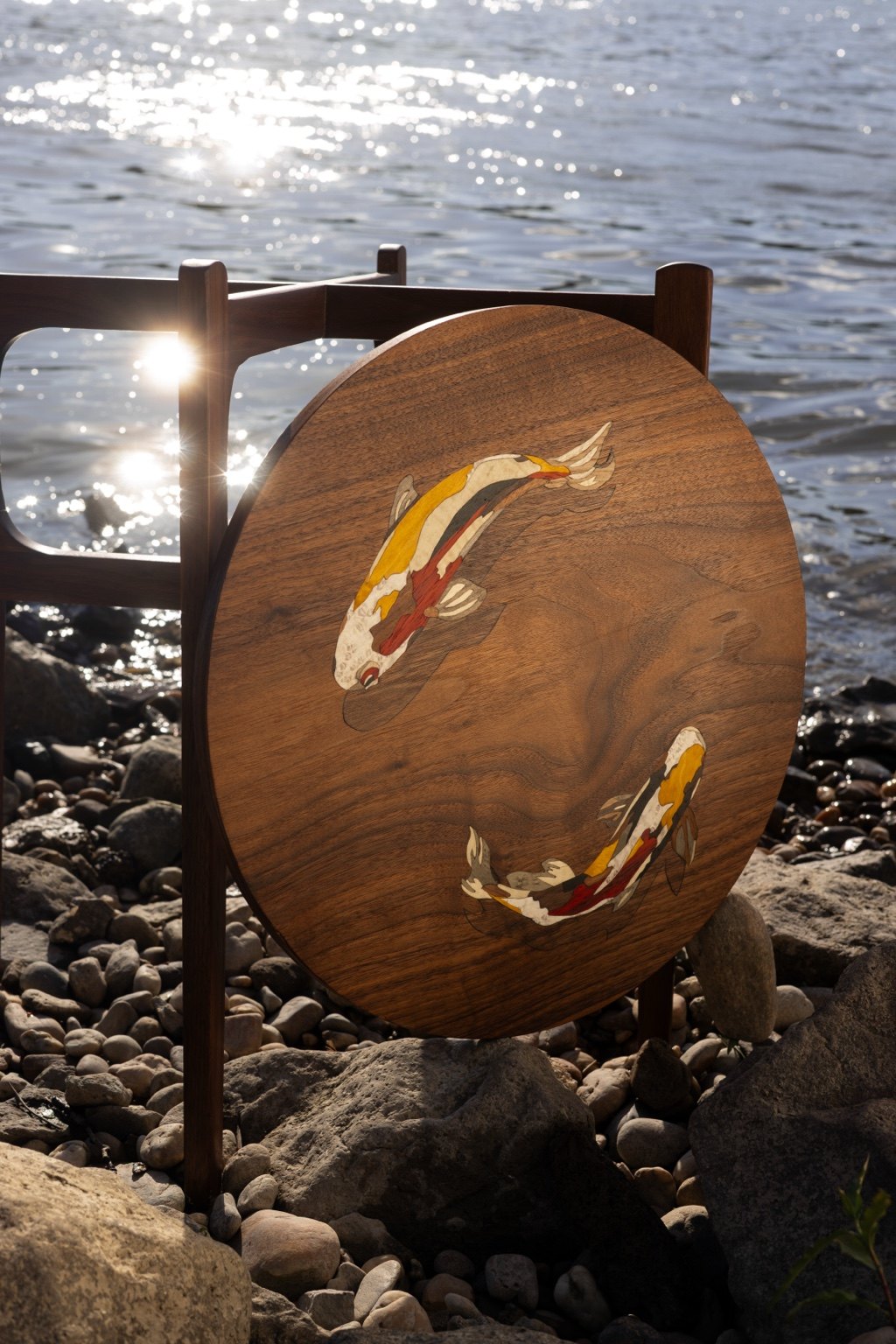
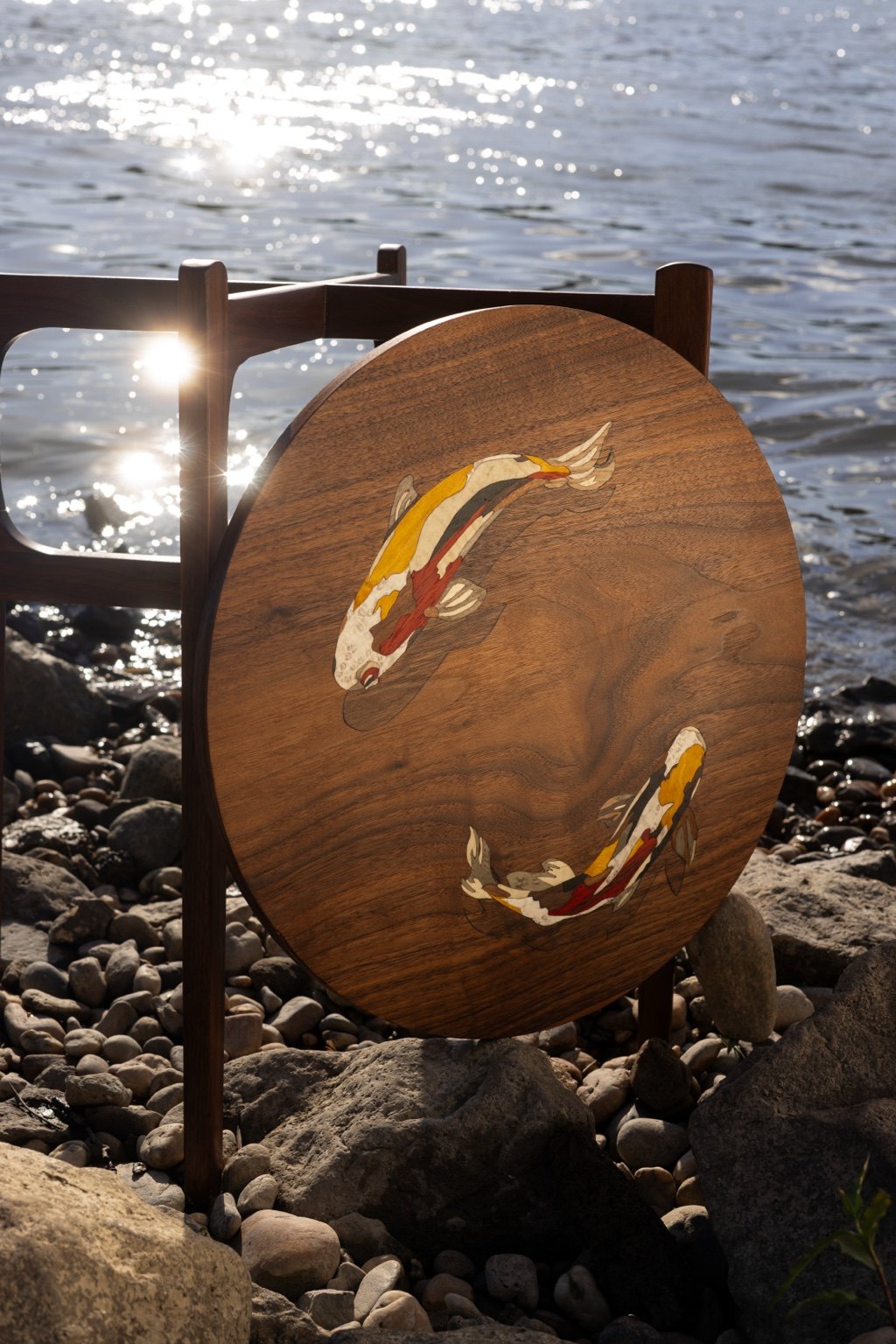
#2 · In the Current

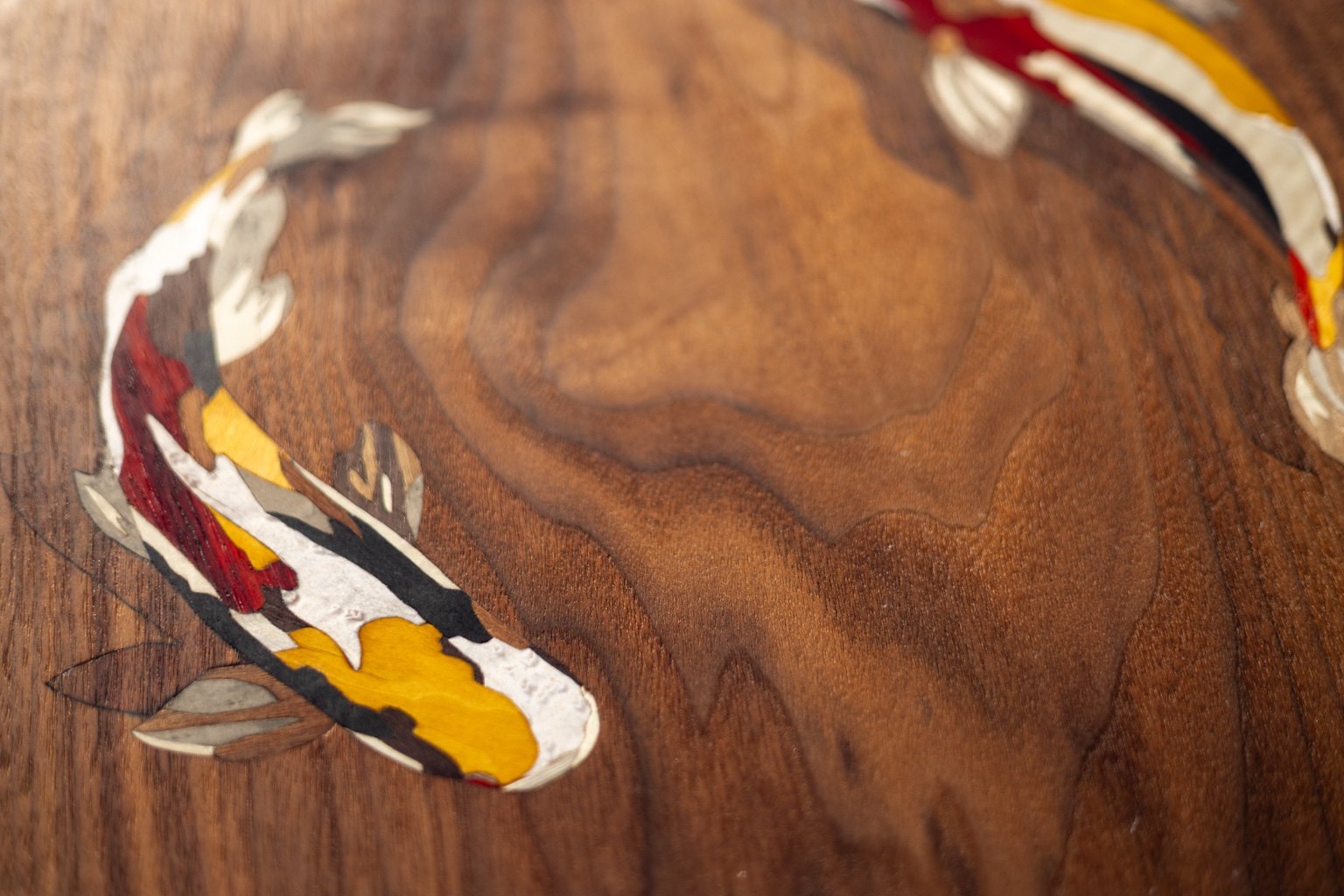
A darker walnut piece centred on two koi moving in a calm circular flow. In Japanese culture, koi are associated with perseverance and harmony; here, their movement is completed by the natural grain of the walnut itself.

Solid walnut · walnut, smoked oak, dyed maple, ebony, padauk, figured birch & dyed oak marquetry · Ø 480 mm tabletop · approx. 60 hours
Process

From drawing to object.

Each piece is developed through drawing, material selection, furniture construction and the slow assembly of the marquetry itself. The marquetry is not a decorative layer added at the end: image, material and structure are developed as parts of the same object.

Our story

Different paths.
A shared language.

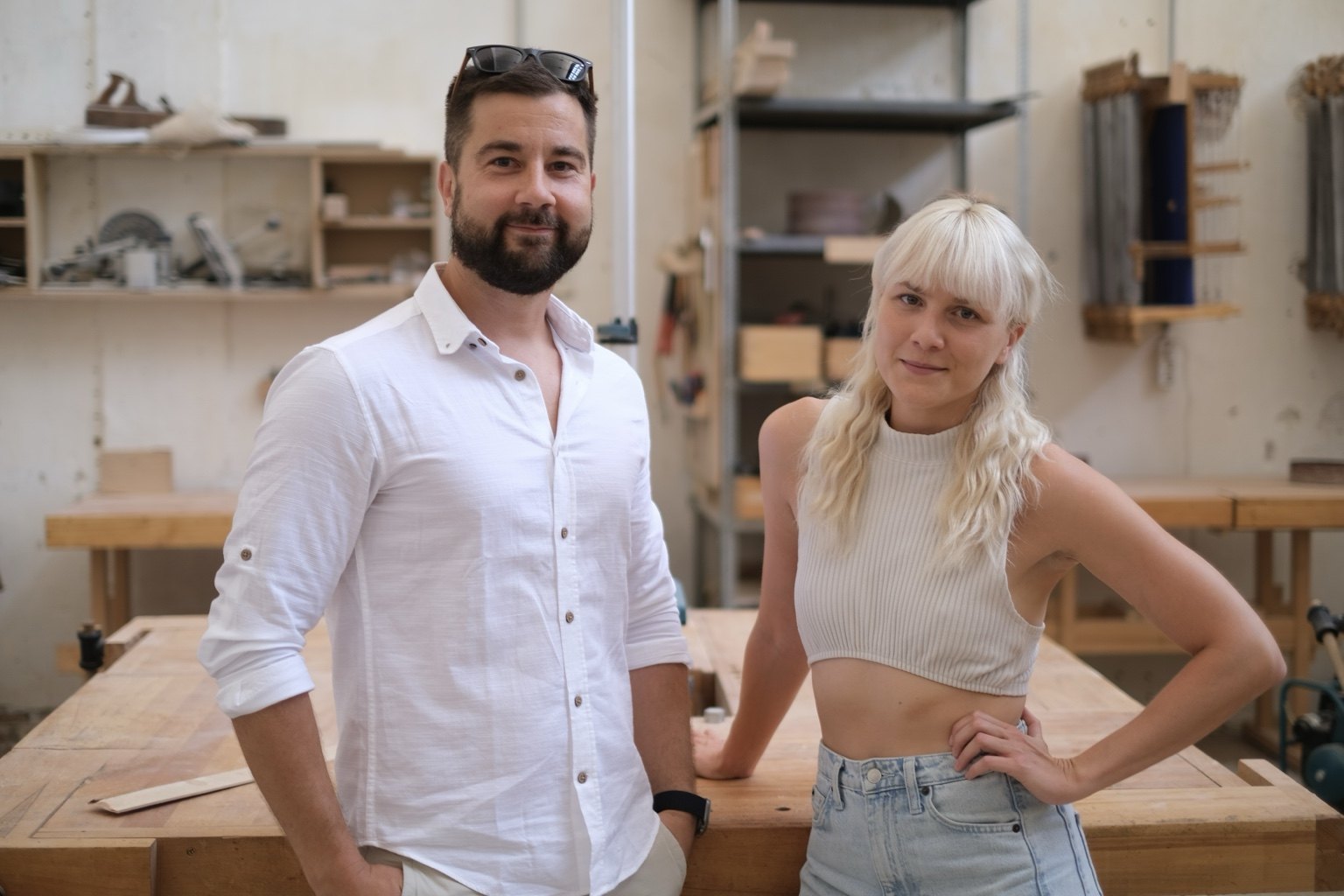
Two Sides grew out of two creative lives that began far from the workshop. András is the COO and co-owner of an IT solutions company, while woodworking gives him a parallel world built around material, touch and the satisfaction of making something tangible.

His connection to wood goes back to childhood summers spent in his grandfather’s workshop, but nearly four decades passed before he returned to it at Woodivity. It was there, on a woodworking course he had almost talked himself out of taking, that he met Juti.

They spent months learning the fundamentals side by side, then followed different paths: Juti gradually found her language in contemporary marquetry, while András gravitated towards furniture and occasional tables. Years later, after following each other’s work over the years, they decided to see what would happen if those two practices met in a single object.

The first table began with an idea from András; the reversible top came from Juti. From there, form, structure and image developed together. The first piece led naturally to a second—light oak became dark walnut, and the change in material opened an entirely different visual direction.

What started as a one-off experiment became an ongoing collaboration. They remain very different personalities, and both keep their own independent practices, but Two Sides is the space in between: a shared language still being shaped by materials, ideas and the flow of working together.
“Every object carries a message. Every material tells a story.”
The makers

WOJU DESIGN × BALASSA WOOD

WOJU DESIGN works with contemporary marquetry, translating illustration and visual narratives into wood veneer. BALASSA WOOD develops and makes solid wood objects and furniture with an emphasis on material, proportion and hand-built detail. This collaboration brings the two practices together in a shared approach to bespoke furniture.

Press & editorial

Project information
and imagery.

High-resolution photography, additional process images, technical information and interviews are available for editorial use. We are happy to provide further material or speak about the collaboration, the making process and future pieces in the series.